
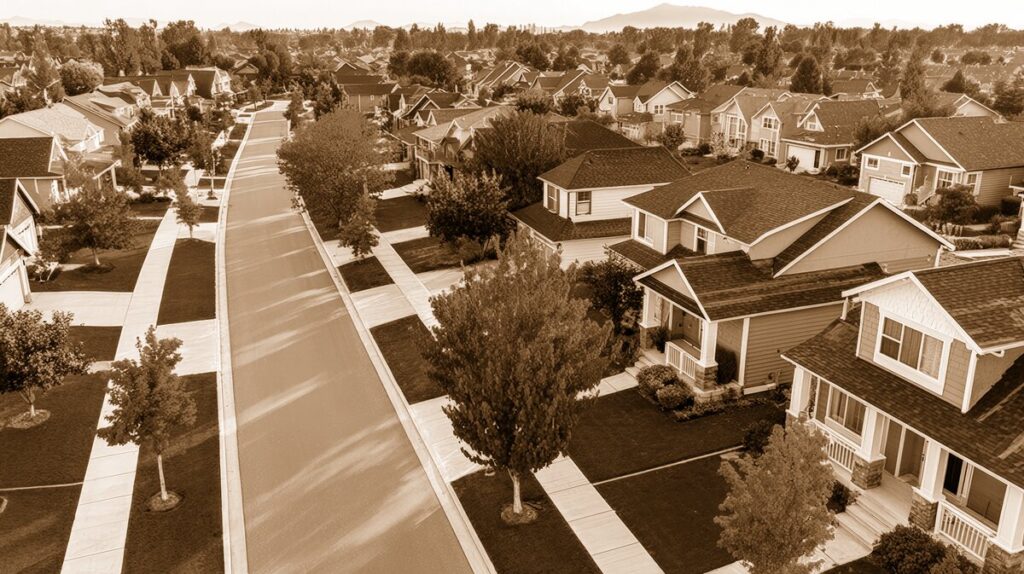
Welcoming Glenross: Delaware’s Storybook Neighborhood
Nestled in the rolling landscape southeast of downtown Delaware, Ohio, the Glenross neighborhood has grown from humble beginnings into one of the community’s most sought-after places to call home. While today it’s celebrated for its leafy streets, family-friendly amenities like Glenross Golf Club, and welcoming vibe, Glenross holds deeper roots woven into the fabric of Delaware County’s past.
Early Days and the Glenross Name
The land that would become Glenross long lay open and unspoiled, part of the patchwork of farms and woodlands that stretched beyond early Delaware’s city limits. Throughout the mid-1800s, the area saw agricultural activity, with rich soils supporting crops and livestock for local families. By the late 19th century, as Delaware began to swell in population thanks to both the railroads and steady commercial development, these open fields became increasingly attractive for new housing.
But it wasn’t until the early 2000s that Glenross formally took shape as a residential community. The name, chosen by developers, evokes a sense of peacefulness and nature—“Glen” referencing the Scottish word for a verdant valley and “Ross” suggesting a nod to heritage and stability. Whether the name pays tribute to a local family or simply looked to create an air of quiet prosperity, it suited the tranquil, gently rolling terrain that would soon become home to hundreds of Delaware families.
Foundations: Building the Neighborhood
Development began in earnest in the early 2000s, with the first homes appearing along what would become Glenross Circle and Ross Lane. Unlike cookie-cutter subdivisions, Glenross was designed with eye-catching amenities and a thoughtful layout:
- Winding streets like Greenspire Drive and Silver Branch Drive curve around manicured lawns and community ponds, encouraging a sense of community and a slower pace.
- Glenross Golf Club, an 18-hole public course at the heart of the neighborhood, provided both a recreational cornerstone and a central gathering spot, its clubhouse hosting weddings, banquets, and countless afternoons on the fairways.
The vision for Glenross from the outset was one of balance: natural beauty blended with modern comforts, standing in harmony with Delaware’s rural heritage. This approach appealed to young families and retirees alike, leading to steady growth that has continued ever since.
Key Milestones in Glenross Development
Glenross’s story is marked by significant milestones that have shaped its evolution:
- 2003-2005 — First Wave of Home Construction: Builders such as Dominion Homes and Fischer Homes broke ground, quickly selling out the earliest lots near the Glenross Golf Club.
- 2007 — Glenross North Expansion: As demand soared, new phases opened north of Cheshire Road, introducing larger lots and cul-de-sacs on streets like Bluestone Drive and Loch Lomond Place.
- 2012 — Introduction of Parks and Recreation Spaces: Mini-parks were constructed within walking distance of nearly every home. The addition of playgrounds and community pools on Glenross Drive became centers of neighborhood life.
- 2018 — School and Access Upgrades: To serve the growing community, Olentangy Local Schools added access to nearby Cheshire Elementary and Berlin High School, solidifying Glenross as a hub for families seeking top educational opportunities.
Notable Landmarks and Heartbeats
A stroll through Glenross reveals touchstones beloved by its residents:
- Glenross Golf Club: Not just for golfers, the club’s pond, bridge, and outdoor patios draw evening walkers and families year-round.
- Pond View Park: A tranquil respite along Greenspire Drive, perfect for reflection and nature-watching—Canadian geese and herons are regular visitors.
- Ross Lane Playground: The laughter of children fills the air here most afternoons, making it a symbol of the neighborhood’s vibrance.
- Historic Stone Walls: Along Cheshire Road, remnants of old boundary walls hint at the area’s farming past, seamlessly blending old and new.
Evolving With the Times
From its inception, Glenross has aimed to foster a strong neighborhood identity while embracing Delaware’s continual growth. Over the past two decades, the population has grown more diverse, and newer housing phases have introduced architectural variety and expanded facilities.
Today, residents come together for annual events—from summer block parties along Glenross Circle to holiday light tours that light up Silver Branch Drive in December. The active homeowners’ association, the Glenross Community Association, ensures the neighborhood’s parks, pool, and greenbelts are meticulously maintained, preserving the area’s inviting atmosphere.
What Makes Glenross Special
Longtime residents will tell you that while Glenross is proud of its beautiful homes and amenities, its real strength lies in the spirit of its people. Neighbors wave from porches, kids ride their bikes on quiet back lanes, and the clubhouse buzzes with life on golf tournament weekends.
Glenross is more than just a development; it’s a living link between Delaware’s rich agricultural heritage and its future as a thriving, family-centered city. Its streets and greenways will continue welcoming newcomers, and its story—rooted in the land’s past and branching forward with every family’s journey—remains one of Delaware’s proudest chapters.
Conclusion
From green fields to golf course greens, Glenross has evolved into a community where history and modern life coexist harmoniously. As Delaware carries forward into a bright future, Glenross stands as a reminder that neighborhoods are not just built with bricks and mortar, but with the memories, traditions, and warm welcomes that shape a true home.